
Quantum Computing
4 articles
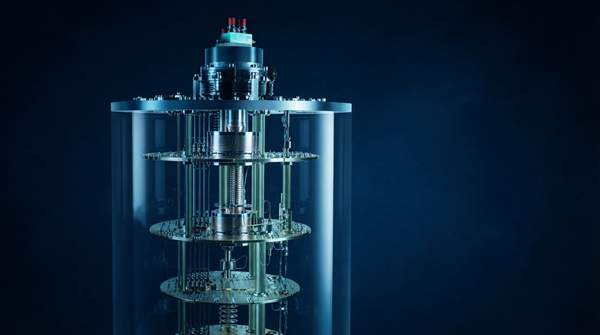
How Quantum Machine Learning Redefines Data Processing
Quantum Machine Learning (QML) merges quantum computing with machine learning to address complex data problems, using quantum phenomena like superposition and entanglement for novel data processing. It offers theoretical advantages for specific high-complexity challenges, currently relying on hybrid quantum-classical models for near-term promise.
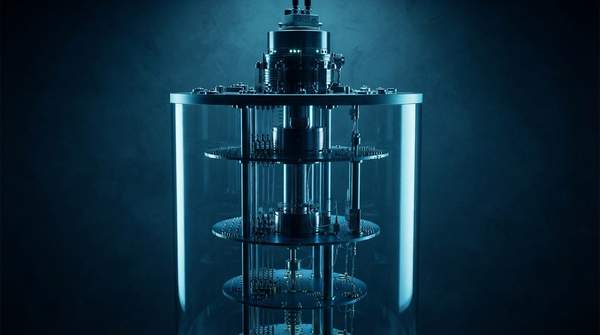
Unlocking Quantum Computing's Power: Superposition and Entanglement Explained
Quantum computing harnesses the power of superposition and entanglement, allowing qubits to exist in multiple states simultaneously and become interconnected. These fundamental quantum phenomena enable quantum computers to process information in novel ways, offering significant advantages for complex computational challenges.

Quantum vs. Classical Computing: Strengths in Problem Solving
In 2020, a quantum computer named Jiu Zhang, utilizing 76 photons, demonstrated a computational speed 100 trillion times faster than the Taihu Light supercomputer, according to pmc .

AI Deciphers Physical Laws, Quantum Computing's Limits
A neuro-symbolic AI system, integrating Google's Gemini Deep Think with a Tree Search framework, recently derived novel, exact analytical solutions for the power spectrum of gravitational radiation em