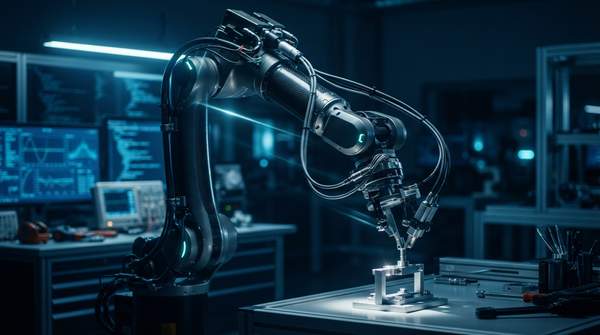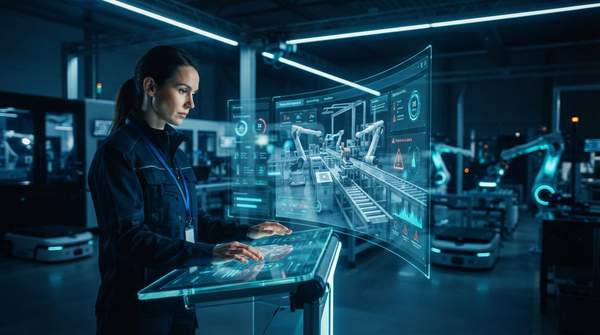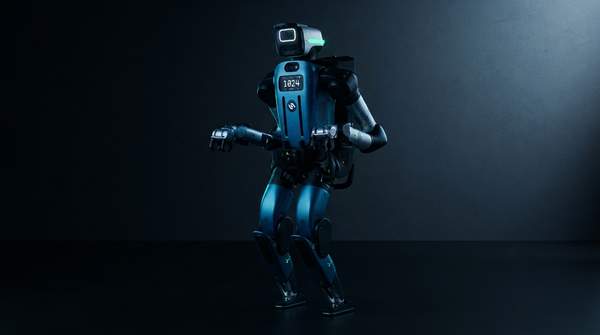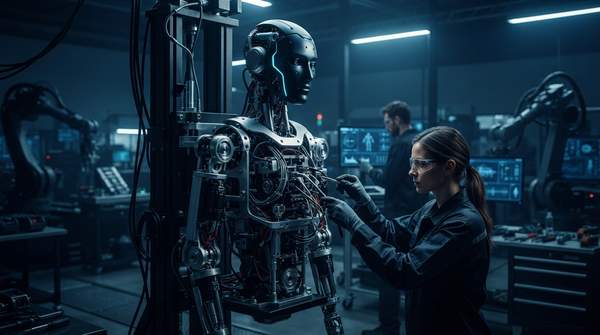
The primary obstacle to the widespread deployment of humanoid robots has shifted from conceptual design to the complex realities of manufacturing at scale. While advanced prototypes demonstrate increasingly sophisticated capabilities, the path to mass production is constrained by significant component-level bottlenecks, system performance trade-offs, and strategic industrial challenges. The core difficulty lies in economically and logistically producing intricate components, particularly high-precision reducers and robust power systems, in the vast quantities required for commercial viability.
The Bottleneck Challenge: Scaling Humanoid Robot Production
The transition from building a handful of advanced prototypes to manufacturing tens or hundreds of thousands of commercial units represents a fundamentally different and more complex problem. While companies showcase robots with impressive agility, the underlying challenge is creating a production system that can reliably and affordably assemble these machines. This involves not just the final assembly but the entire supply chain for a vast array of specialized parts. According to one industry expert, the need to ramp up production while the product itself is still undergoing design modifications creates a unique and difficult manufacturing scenario.
Actuators, the components that create movement in a robot's joints, are considered the "most likely pressure point" as production volumes increase. Each humanoid robot requires dozens of these complex assemblies, which integrate motors, precision gears, bearings, encoders, and housings. The sheer number of actuators per robot multiplies the supply chain and manufacturing complexity. Any single component within the actuator can become a bottleneck, stalling the entire production line. The processes required to create these parts, such as five-axis machining and precision grinding, will also strain existing industrial capacity as demand grows.
This reality has led some industry veterans to suggest that simply building the robots is arguably the easiest part of scaling. Melonee Wise, formerly of Agility Robotics, has noted that the broader challenges of deployment, service, and creating a viable economic model are where the true difficulties lie. However, before those issues can even be addressed, the fundamental hurdle of mass-producing the physical hardware must be overcome.