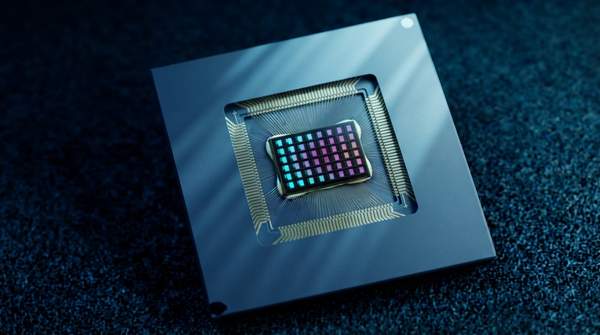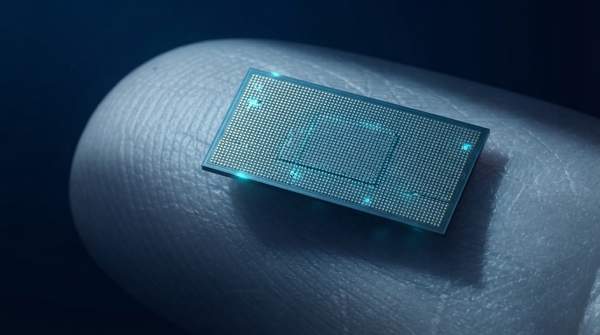
The escalating demands of real-time artificial intelligence (AI) applications at the edge necessitate computing solutions that offer both superior energy efficiency and minimal latency. Neuromorphic computing, an innovative approach that mimics the human brain's architecture and function, presents a compelling paradigm to address these challenges. Architectures such as Intel Loihi and IBM TrueNorth are leading this development, leveraging brain-inspired principles to deliver significant performance advantages over conventional graphics processing units (GPUs) for demanding edge AI workloads. This technology is poised to inform research and development (R&D) and investment strategies for professionals seeking advanced, sustainable AI processing capabilities.
Biological Inspiration and Core Principles
Neuromorphic computing, also known as neuromorphic engineering, fundamentally rethinks traditional computing by designing hardware and software that simulate the neural and synaptic structures and functions of the brain. This brain-inspired approach enables systems to process information in a manner distinct from conventional von Neumann architectures, which separate processing from memory. A core principle is event-driven processing, where computation occurs only when a "spike" or event is triggered, much like neurons firing in the brain. This contrasts with traditional systems that continuously process data, regardless of its immediate relevance, leading to inefficiencies.
Central to neuromorphic computing are Spiking Neural Networks (SNNs), which are designed to mimic the sparse, asynchronous communication found in biological brains. Unlike artificial neural networks that use continuous activation functions, SNNs transmit information through discrete events (spikes) at specific times. This event-driven, asynchronous design inherently leads to significant energy efficiency because computational resources are only activated when necessary. The low latency of these devices also enables rapid computation, making them particularly suitable for real-time edge AI applications where immediate responses are critical, such as in autonomous vehicles, IoT sensor networks, and wearable healthcare devices, as noted in research published on arXiv.