Fresh Tech Trends
AI & Machine LearningBiotech & HealthtechFuture of ComputingSustainable TechVenture & Startups
Fresh Tech Trends

Your daily briefing on the technology of tomorrow.

AiManufacturingRoboticsArtificial IntelligenceMachine LearningAutomationTechnology TrendsRenewable Energy

Sections

  • AI & Machine Learning
  • Biotech & Healthtech
  • Future of Computing
  • Sustainable Tech
  • Robotics & Automation

More

  • Venture & Startups
  • Product Lab
  • Founders & Leaders
  • Enterprise & SaaS
  • Gaming & Immersive Tech
  • Writers

About Fresh Tech Trends

Fresh Tech Trends delivers essential news and in-depth analysis on the emerging technologies shaping our future. From artificial intelligence and biotech to quantum computing and sustainable energy, we provide the critical insights for professionals, investors, and enthusiasts.

  • Contact
  • Privacy Policy
  • Terms of Service

© 2026 Fresh Tech Trends. All rights reserved.

  1. Home
  2. /Future of Computing
  3. /New brain-inspired chip drives neuromorphic computing hardware advancements for AI systems
Future of Computing

New brain-inspired chip drives neuromorphic computing hardware advancements for AI systems

A new AI semiconductor device independently manages long-term and short-term memory within a single chip, operating stably for over 10,000 seconds without performance degradation.

BC
Benjamin Carter

August 1, 2026 · 3 min read

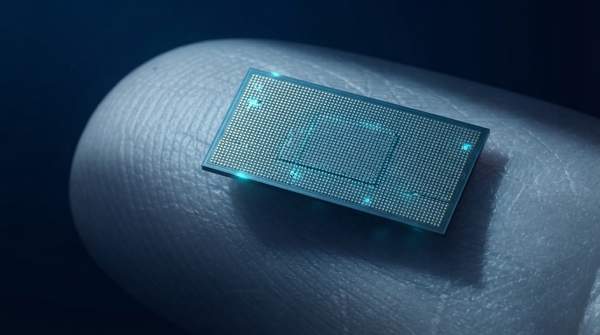
A close-up of a brain-inspired AI chip with glowing neural pathways, symbolizing advanced neuromorphic computing hardware and AI system innovation.

A new AI semiconductor device independently manages long-term and short-term memory within a single chip, operating stably for over 10,000 seconds without performance degradation. Operating stably for over 10,000 seconds without performance degradation, the device marks a significant step towards reliable, on-device intelligence in neuromorphic computing hardware by 2026.

Yet, AI's explosive growth drives unsustainable energy consumption and reliance on external computing. Forbes projects electricity consumption from AI-optimized servers will rise nearly fivefold by 2030, creating an urgent demand for efficient, sustainable AI hardware.

Therefore, the industry is poised for a significant shift towards specialized, energy-efficient AI hardware. This could decentralize AI processing and enable new, previously impractical applications at the edge.

The Current Landscape: Large Systems vs. On-Device Needs

Intel's Hala Point neuromorphic research system, launched in 2024, simulates 1.15 billion neurons, according to Forbes, showcasing efforts in large-scale brain-inspired architectures. However, most flexible sensors and machine learning (ML) still rely on external computing for data analysis, causing high energy consumption, long latency, and privacy concerns, as noted by Nature. The contrast highlights the ongoing challenge of centralized, energy-intensive AI. New integrated devices aim to overcome this by moving intelligence closer to the data source.

A New Brain-Inspired Chip for Efficient AI

A research team developed a next-generation AI semiconductor device capable of independently implementing long-term and short-term memory within a single chip using surface acoustic waves (SAWs), reports Tech Xplore. The architecture directly addresses a core challenge in replicating brain-like memory functions in hardware.

The device uses electrical signals for long-term memory and SAWs for short-term memory, overcoming conventional memristor limitations in handling both functions simultaneously, Tech Xplore states. Its stable operation persisted for over 10,000 seconds without performance degradation.
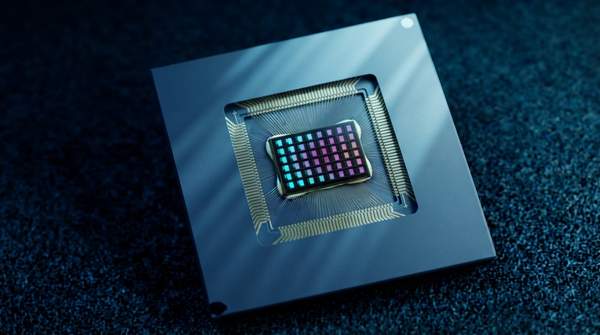
In reservoir computing, the device achieved 96.1% recognition accuracy in a character classification task, Tech Xplore confirms. The integration of distinct memory functions within a single, stable, and accurate device advances truly brain-like, efficient AI processing at the hardware level.

Beyond the Cloud: AI at the Edge

Integrating low-power, dual-memory AI at the chip level expands on-device intelligence. While companies currently trade energy efficiency and data privacy for computational power in AI-powered devices, the emergence of single-chip, dual-memory neuromorphic devices, as described by Tech Xplore, promises truly autonomous, ultra-low-power edge AI.

Bao’s group, for example, developed a monolithic soft prosthetic electronic skin with neuromorphic computing for closed-loop actuation, Nature reports. The development of a monolithic soft prosthetic electronic skin with neuromorphic computing for closed-loop actuation showcases integrated, low-power neuromorphic computing's potential. Such a shift could unlock new AI applications, from advanced prosthetics to pervasive IoT devices, through real-time, localized intelligence.

The Promise of Next-Generation AI Semiconductors

Forbes' projection of a fivefold increase in AI server electricity consumption by 2030 confirms current AI scaling is environmentally unsustainable. Radical hardware innovations, like the SAW-based neuromorphic device, are essential to avert an impending industry energy crisis.

Tech Xplore anticipates this technology will enable ultra-low-power neuromorphic computing and next-generation AI semiconductors. Continued development of such integrated, energy-efficient neuromorphic hardware will likely reshape AI deployment, moving intelligence closer to the data source for ubiquitous, sustainable AI. Initial prototypes featuring this dual-memory architecture could begin influencing embedded AI processor designs for consumer electronics.

Frequently Asked Questions

How does neuromorphic computing differ from traditional computing?

Traditional computing relies on a Von Neumann architecture, separating processing from memory. Data constantly moves between the CPU and RAM, consuming significant energy and time. Neuromorphic computing, conversely, mimics the brain's parallel processing by integrating memory and processing directly, leading to higher efficiency for AI tasks. This architectural difference allows for lower power consumption and faster, localized AI operations.

What are the challenges facing neuromorphic computing adoption?

Despite its promise, neuromorphic computing faces challenges in widespread adoption. These include the complexity of programming brain-inspired architectures, lack of standardized development tools, and the need for new algorithms optimized for these systems, according to Neuromorphic Computing - An Overview. Scaling production of these specialized chips and integrating them into existing infrastructure also present significant hurdles for manufacturers and developers.

Related Coverage from Future of Computing

  • What is neuromorphic computing and why is its brain-inspired architecture advancing?
  • achieves 92.6% accuracy neuroimaging diagnostics
  • Path
  • Machine

Tags

AiNeuromorphic ComputingSemiconductorsHardwareFuture Of ComputingArtificial IntelligenceInnovation
BC

Benjamin Carter

Contributing Editor, Deep Tech

Benjamin Carter, a Contributing Editor for Deep Tech at Fresh Tech Trends, covers the future of computing, robotics, and sustainable engineering. He delivers authoritative, highly technical deep dives that demystify complex engineering marvels for readers seeking critical insights.

More from Future of Computing

A futuristic cityscape with glowing neural network pathways and a pulsing, abstract brain, representing the convergence of AI and biological intelligence.

What is neuromorphic computing and why is its brain-inspired architecture advancing?

Intel's Hala Point neuromorphic research system, launched in 2024, simulates 1.

Benjamin Carter· Jul 15
5 Essential ClientSilo Features That Will Transform Your Agency’s Workflow

5 Essential ClientSilo Features That Will Transform Your Agency’s Workflow

This article explores five essential ClientSilo features designed to transform agency workflows by providing an all-in-one platform for deal management, performance tracking, workflow automation, and reporting. It highlights how ClientSilo addresses common challenges faced by growing agencies, such as data silos and manual processes, with integrated solutions.

Alejandro Mendoza· Jul 1
Tesla vehicle with Full Self-Driving engaged navigating a foggy road, symbolizing technological advancement and regulatory oversight.

Tesla FSD Lawsuit Settled After Fatal 2023 Crash

The National Highway Traffic Safety Administration (NHTSA) has escalated its investigation into Tesla's Full Self-Driving (FSD) system to an engineering analysis, now covering over 3.

Benjamin Carter· Jun 29
An advanced AI system interfaces with cosmic data, deciphering physical laws and exploring the boundaries of quantum computing.

AI Deciphers Physical Laws, Quantum Computing's Limits

A neuro-symbolic AI system, integrating Google's Gemini Deep Think with a Tree Search framework, recently derived novel, exact analytical solutions for the power spectrum of gravitational radiation em

Benjamin Carter· Jun 18

Trending Now

1
SWH Electrical Solutions Helps Existing Solar Systems Keep Performing

SWH Electrical Solutions Helps Existing Solar Systems Keep Performing

Sustainable Tech· 2 views
2
Tech titans Sam Altman and Palmer Luckey playing 'MAFIA the GAME' at the historic Tosca Cafe, a new venture by Founders Fund.

Founders Fund Launches 'MAFIA the GAME' with Tech Elites

Founders Leaders· 1 view
3
Abstract representation of the Xbox logo within a glowing, complex circuit board, symbolizing a strategic shift in pricing.

Microsoft Raises Xbox Series S and X Prices Amidst Industry Shifts

Ai Ml· 1 view
4
A user customizing their Instagram feed through an advanced holographic interface, showcasing the new 'Your Algorithm' feature for personalized content control.

Instagram Unveils New Algorithm Customization Options for Users

Ai Ml· 1 view
5
A human worker and a collaborative robot working together safely and efficiently in a well-lit, modern industrial environment.

Human-centric automation: Key to worker trust and less anxiety.

Robotics Automation· 1 view
6
Paul Meade, the lead developer of Apple's Vision Pro headset, transitions from Apple's hardware innovation to join OpenAI's emerging AI hardware team.

Apple Vision Pro Exec Paul Meade Joins OpenAI

Product Lab· 1 view